黄土高原上的“绿色宫殿”:一孔窑洞,藏着陕北千年的暖
在沟壑纵横的陕北高原,有这样一种建筑——它凿土而生,与黄土相融,冬暖夏凉如天然空调,承载着一代又一代陕北人的喜怒哀乐,它就是被世界建筑界誉为“没有建筑师的建筑”的陕北窑洞。
The "Green Palace" on the Loess Plateau: A Cave Dwelling Holds Millennia of Warmth in Northern Shaanxi Amid the crisscrossing gullies and ridges of the Northern Shaanxi Plateau, there stands a unique type of architecture – carved out of the earth, blending with the loess, cool in summer and warm in winter like a natural air conditioner. It bears the joys and sorrows of generations of Northern Shaanxi people, and this is the Northern Shaanxi cave dwelling, hailed by the global architectural community as "architecture without architects".
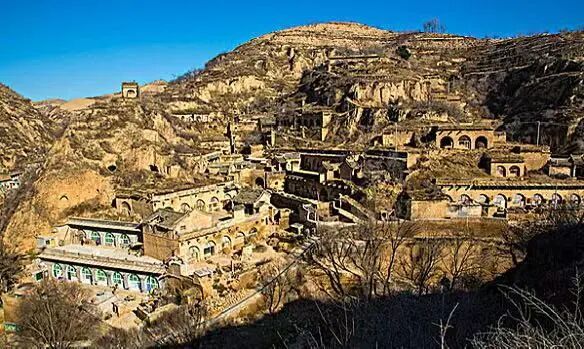
陕北窑洞的故事,要从周代讲起。最早的半地穴式窑洞,在秦汉时演变为全地穴式土窑,到了明清,石块又为它筑起更坚固的窑面墙。千年来,陕北人握着镢头与铁锨,顺着梁峁沟壑的地形凿洞而居,把“天人合一”的智慧刻进了黄土里。
The story of cave dwellings in Northern Shaanxi dates back to the Zhou Dynasty. The earliest semi-subterranean cave dwellings evolved into fully subterranean earthen caves during the Qin and Han dynasties. By the Ming and Qing dynasties, stones were used to build stronger cave front walls. For thousands of years, people in Northern Shaanxi have used hoes and shovels to carve caves for living according to the terrain of beams, mounds, gullies and ridges, engraving the wisdom of "harmony between man and nature" into the loess.
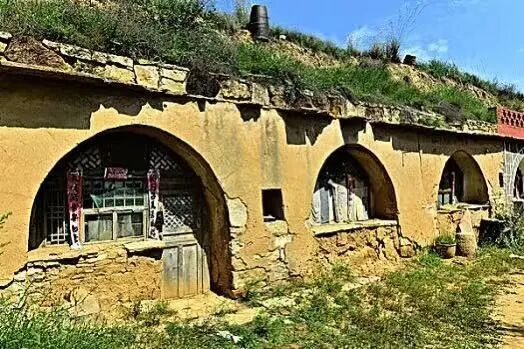
走进窑洞,才算摸到了陕北的魂。三五孔窑洞连排而立,或是围成四合院,拱圆窗户透着光,炕头永远暖烘烘的。每逢春节,全家围坐在炕上,剪纸贴花的声响、饭菜的香气、欢声笑语裹着暖意,从窗棂门缝飘向黄土坡,这是陕北人最踏实的团圆。窑洞里藏着的不只是生活,更是刻在骨子里的记忆。儿时捉迷藏的嬉闹、父亲扛着锄头归来的背影、母亲在灶台边忙碌的香气、爷爷奶奶坐在炕头的家常……每一孔窑洞都装着一段人生,也成了远游游子挥之不去的乡愁。
Only when you step into a cave dwelling can you truly touch the soul of Northern Shaanxi. Three to five cave dwellings stand in a row or form a quadrangle courtyard. The arched round windows let in light, and the kang (a heatable brick bed) is always warm. Every Spring Festival, the whole family sits around the kang. The sound of paper-cutting and pasting flowers, the aroma of food, and the laughter, all wrapped in warmth, drift from the window lattices and door crevices to the loess slope. This is the most solid reunion for people in Northern Shaanxi. What cave dwellings hold is not only life, but also memories engraved in the bones: the frolic of hide-and-seek in childhood, the back of father returning with a hoe, the aroma from mother busy by the stove, and grandparents chatting on the kang... Each cave dwelling contains a period of life and has also become an indelible homesickness for wanderers far away.
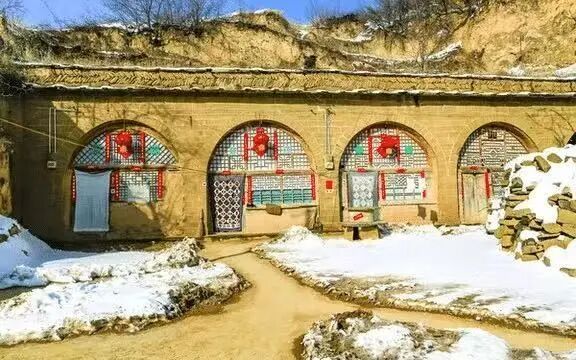
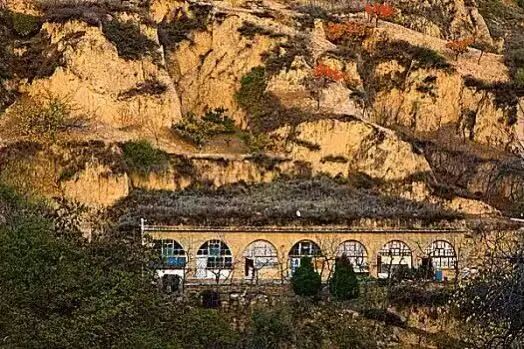
如今,窑洞虽渐渐退出了现代生活的主舞台,却从未真正“沉睡”。它是黄土高原的“活文物”,是陕北文化的精神符号,那些刻在窑洞墙上的岁月痕迹,仍在向我们诉说着黄土地的坚韧与温暖——原来最动人的家,从来都不需要华丽的装饰,只需要与土地相连的踏实,和代代相传的温情。
Today, although cave dwellings have gradually stepped off the main stage of modern life, they have never truly "fallen asleep". It is a "living cultural relic" of the Loess Plateau and a spiritual symbol of Northern Shaanxi culture. The traces of years carved on the walls of cave dwellings still tell us about the resilience and warmth of the loess land —— It turns out that the most touching home never needs gorgeous decorations. It only needs the steadiness connected to the land and the warmth passed down from generation to generation.

 地 址:中国 陕西 延安市延安大学
 邮 编:716000
 电话:0911-2650707