亲爱的朋友:
欢迎走进“红帆远航”特别节目。
“红帆远航”是延安大学外国语学院特色党建项目的视频再现。现在,您收看到的是纪念中国工农红军长征胜利90周年专题板块。
延安大学是由毛泽东同志亲自命名、中国共产党创办的第一所综合性大学。其历史可以追溯到1937年成立的陕北公学。建校80多年来,学校秉承立身为公、学以致用的育人理念,培养了一批批优秀人才,为民族解放,革命胜利和老区建设作出了重要贡献。
《The Long March》
Hello everyone,I'm Zhi Jiaxuan.
大家好,我是支佳璇
Ninety years have passed since the victory of the Long March.The wind from the snow mountains and grasslands still echoes the faith of the Red Army.Today I’d like to tell you the story of a special Long March fighter. She was Wang Quanying, the last female Red Army soldier of the Long March in China. With her passing, the first‑hand memories of the Long March from a female Red Army soldier are forever frozen in the river of time.
长征胜利已经过去九十载。雪山草原吹来的风,依旧回响着红军的信仰。今天,我想为大家讲述一位特殊的长征战士的故事。她就是中国最后一位参加过长征的女红军——王全英。随着她的离去,女红军亲历长征的第一手记忆,永远定格在了时间长河之中。
Wang Quanying was born in 1921 into a poor Tibetan family in Jinchuan, Aba, Sichuan. Her original name was Guixiang. She lost her parents at a young age and endured a tough childhood. In June 1935, the Red Army arrived in her hometown. Their words — “We fight for the poor. We serve the poor.” — lit up her dark life.
王全英1921年出生于四川阿坝金川一个贫苦的藏族家庭,原名桂香。她自幼父母双亡,童年饱尝生活的艰辛。1935年6月,红军来到了她的家乡。红军“为穷苦人打仗,为穷苦人服务”的话语,点亮了她灰暗的人生。

She was only 14 that year, yet she volunteered to join the Red Army. She became a field medical worker in the Women’s Independent Regiment of the Fourth Front Army of the Red Army, and set foot on the endless road of the Long March.
那一年她年仅14岁,便自愿参加红军,成为红四方面军妇女独立团的一名战地医务工作者,踏上了漫无边际的长征之路。
Snow and wind paved the way, and wild herbs were their food on the Long March. As a medical worker, Wang Quanying collected herbs, made medicine, cared for the wounded, gathered food, transported supplies and led the way.
长征路上,风雪铺就征途,野草充当口粮。身为医务工作者,王全英采药制药、照料伤员、筹集粮食、运送物资,还要负责带路引路。
The wind on the highland snow mountains cut like a knife, piercing her thin clothes. When the cold became unbearable, she huddled near campfires to warm herself. But her frostbitten skin festered once heated. Crossing the snow mountains, the bitter cold cost her one toe on the left foot.
高原雪山寒风如刀,穿透她单薄的衣衫。冻得实在扛不住的时候,她就蜷缩在篝火旁取暖。可被冻伤的皮肤一经烘烤,便溃烂发炎。翻越雪山时,严寒让她失去了左脚的一根脚趾。
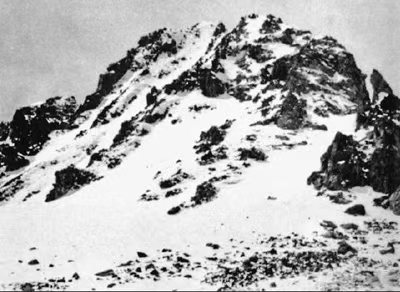
Dangerous mountain paths, vast grasslands, hunger, bitter cold and sickness tested the teenage girl every single day. No matter how hard it got, she stuck with the troop.She believed: as long as she followed the Red Army, there was hope.
险峻山路、茫茫草地,饥饿、严寒与病痛,日复一日考验着这个少女。无论处境多么艰难,她始终紧跟部队。她坚信:跟着红军,就有希望。
Tragically, in a fierce battle in 1936, the army was surrounded by enemies. She got separated from the main force, along with other wounded comrades. She trekked alone for more than a month across snowy mountains, surviving on wild plants, trying desperately to catch up. Eventually, she ended up in the mountains of Wenchuan.She never finished the whole Long March. It remained her lifelong regret.
不幸的是,1936年一场激烈战斗中,部队遭到敌人围困。她和其他负伤战友与大部队失散。她独自一人在雪山间跋涉一个多月,靠野草果腹,拼尽全力想要追上队伍,最终流落到汶川的大山之中。她没能走完长征全程,这成了她一生的遗憾。
For decades after that, she lived in a mountain village under an assumed name. She farmed and raised her family, rarely speaking about that fiery journey. The stories of snow mountains and grasslands were kept deep in her heart.
在此后的数十年间,她隐姓埋名居住在山村,务农养家,极少提起那段热血峥嵘的岁月。雪山草地的往事,被她深深埋藏心底。
After the founding of New China, she made a heartfelt decision: she changed her name from Guixiang to Quanying.

 地 址:中国 陕西 延安市延安大学
 邮 编:716000
 电话:0911-2650707