亲爱的朋友:
欢迎走进“红帆远航”特别节目。“红帆远航”是延安大学外国语学院特色党建项目的视频再现。本节目共分四个板块。现在,您收看到的是第二个板块——人文地理。
延安大学是由毛泽东同志亲自命名、中国共产党创办的第一所综合性大学。其历史可以追溯到1937年成立的陕北公学。建校80多年来,学校秉承立身为公、学以致用的育人理念,培养了一批批优秀人才,为民族解放,革命胜利和老区建设作出了重要贡献。
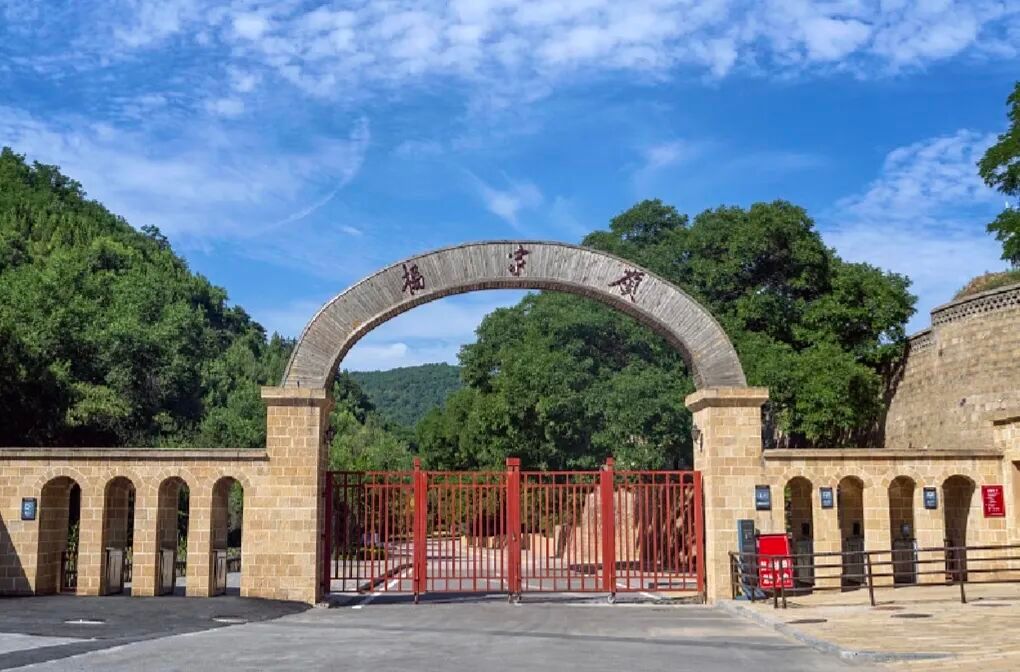
杨家岭革命旧址,是延安西北郊一座承载着中国革命峥嵘岁月的红色地标。1938年中共中央迁此后,这里成为敌后抗战的指挥中枢,见证了大生产运动、整风运动、延安文艺座谈会与党的七大等关键历史时刻,镌刻着自力更生、实事求是、为人民服务的延安精神。如今,它依然是激励后人汲取红色力量的精神高地。
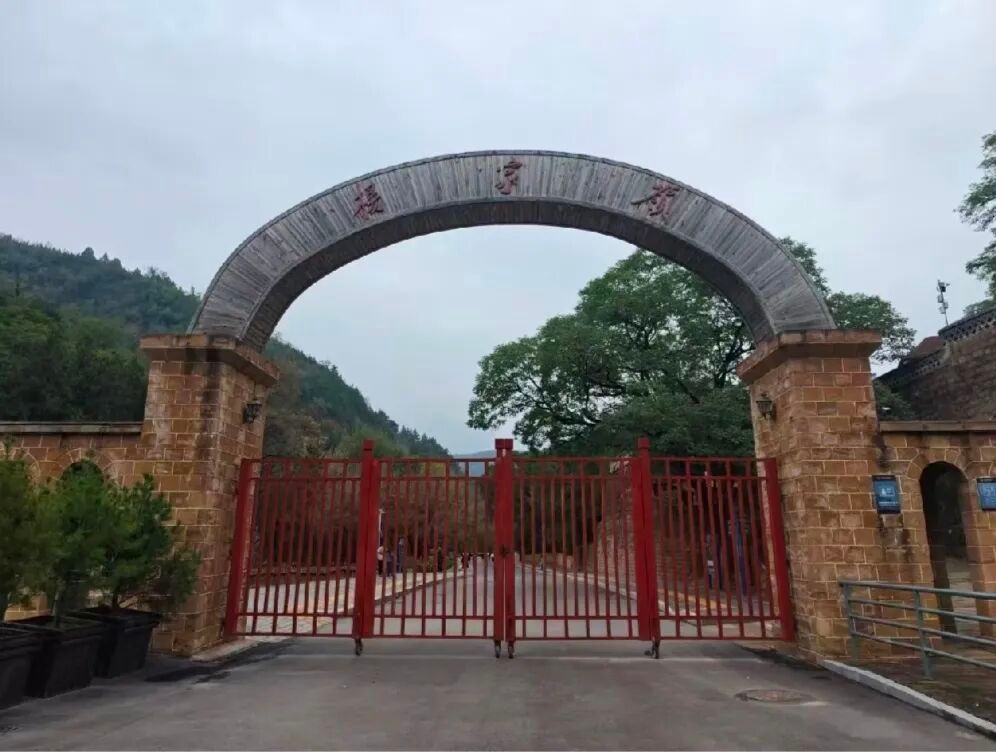
The Revolutionary Site of Yangjialing: Red Memories Through the AgeApproximately 2 to 3 kilometers northwest of Yan'an City lies a place steeped in legend - The Revolutionary Site of Yangjialing. This site carries a magnificent chapter of history, akin to a vivid historical tome, where every inch of land whispers tales of the past.
It was the winter of 1938. The bombing by the Japanese army plunged Yan'an into danger and turmoil. Against this background, the Central Committee of the Communist Party of China moved from its original residence to Yangjialing. At that time, Yangjialing was just a small place where several families surnamed Yang, Wu, Zheng, etc. lived. Its original name was Wujiapo. But no one could have imagined that this unremarkable place was about to become an important hub of the Chinese re
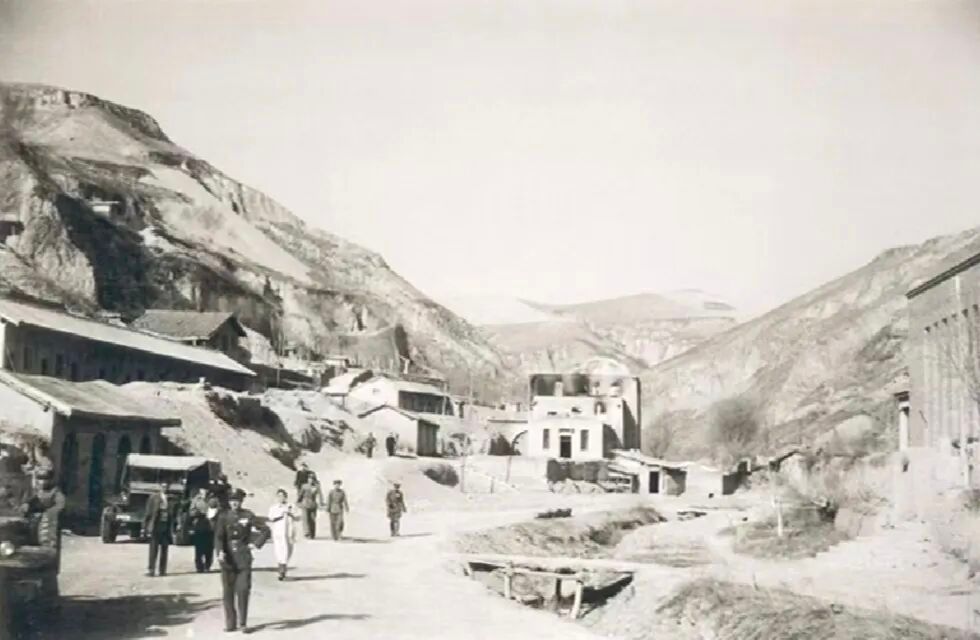
volution.Upon arriving at Yangjialing, the leaders of the Central Committee of the Communist Party of China quickly devoted themselves to intense work. Here became the center for commanding the anti-Japanese rear battlefield. In the cave dwellings, Chairman Mao and other leaders analyzed the war situation based on simple maps, and orders were sent from here to various anti-Japanese bases. The soldiers were bravely fighting the enemy on the front line, and Yangjialing was the source of wisdom behind it.
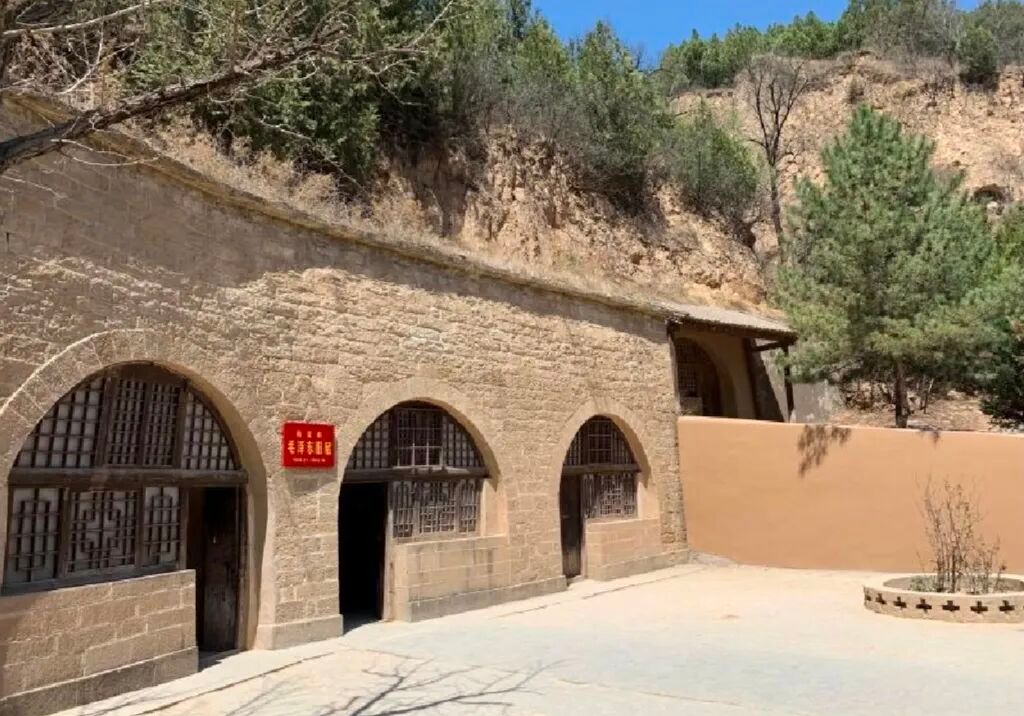
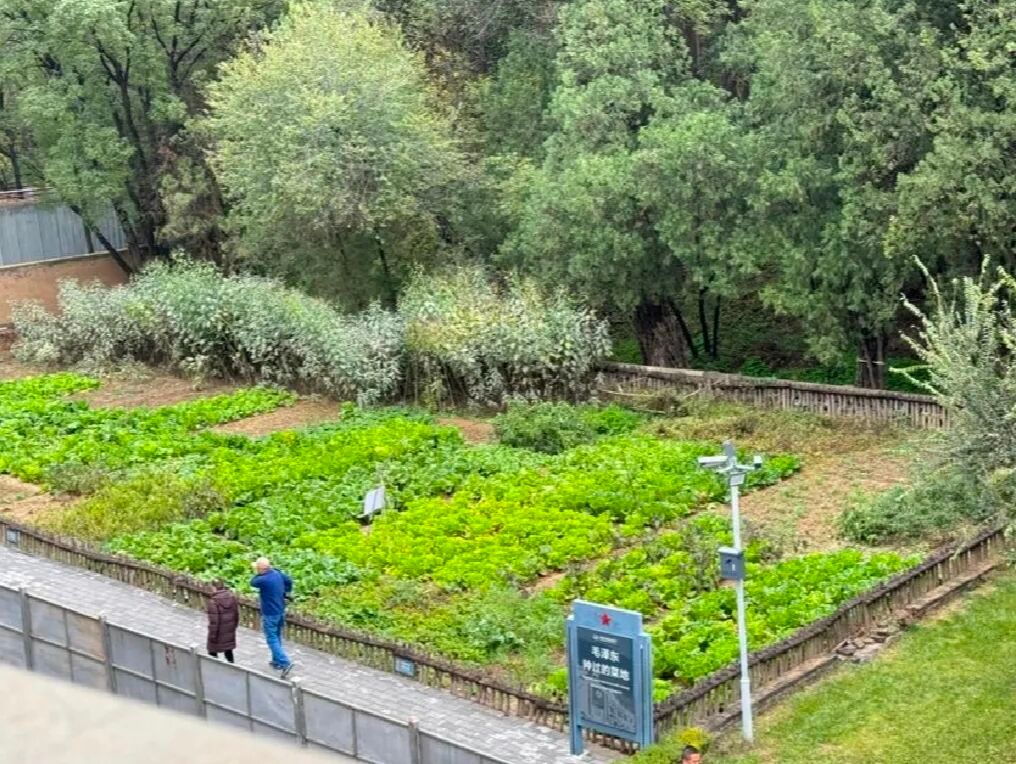
Meanwhile, Yangjialing was also the leading core of the Great Production Campaign. Facing the enemy's blockade, the shortage of materials became a huge problem. Therefore, the military and civilians worked together to carry out the Great Production Campaign under the leadership here. Chairman Mao took the lead and worked in the vegetable garden in Yangjialing. That small vegetable garden was not only a place for growing vegetables, but also a symbol of spirit, telling people that even under difficult conditions, they should rely on their own efforts.
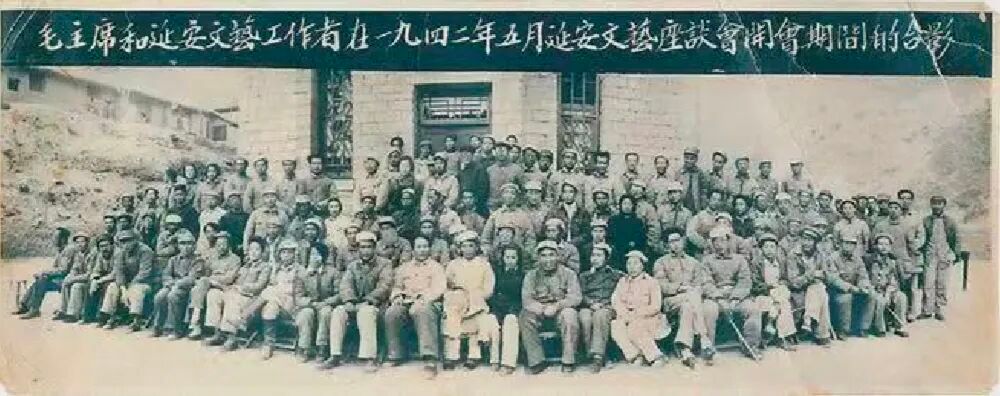
In May 1942, Yangjialing witnessed a conference of far-reaching significance for the development of Chinese literature and art - the Yan'an Forum on Literature and Art. Mao Zedong presided over the conference and delivered a speech, namely Speech at the Yan'an Forum on Literature and Art. Literary and art workers from all over the country gathered in Yangjialing, bringing with them their enthusiasm and thinking about revolutionary literature and art. After this symposium, all the anti-Japanese bases fully carried out the literary and artistic rectification movement in accordance with the formulated literary and artistic principles, promoting the vigorous development of new literature in the direction of serving the people.
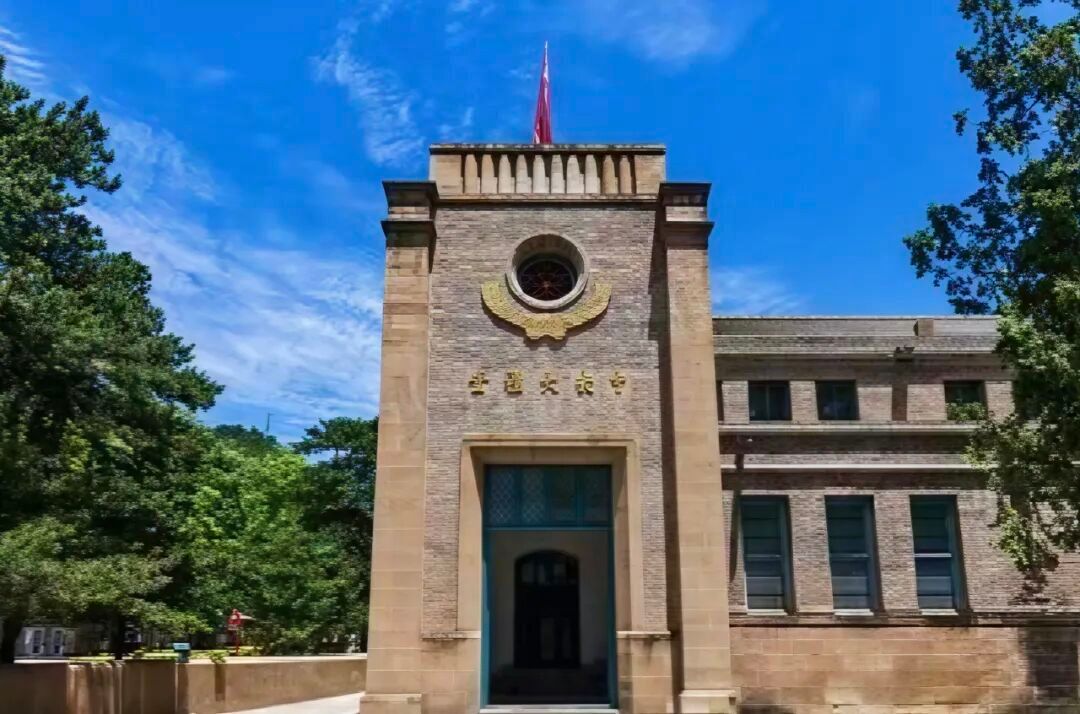
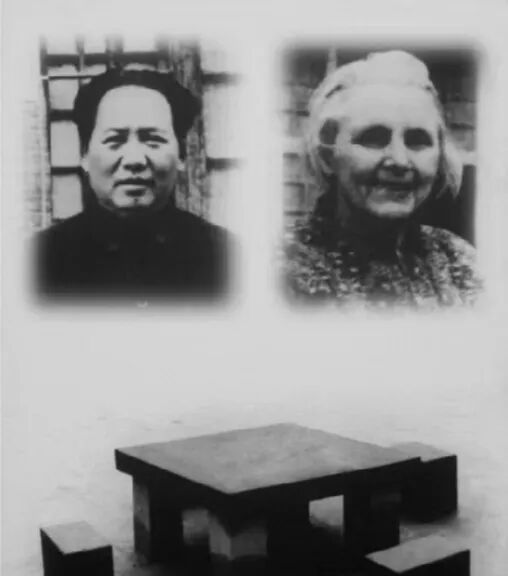
In 1942, the Central Auditorium was completed in Yangjialing. Thisbuilding was a magnificent masterpiece at that time and the crystallization of the wisdom and sweat of countless revolutionaries. Three years later, from April 23 to June 21, 1945, the Seventh National Congress of the Communist Party of China was grandly held in the Central Auditorium. It was an exciting moment. 547 full delegates and 208 alternate delegates came from all over the country, representing 1.21 million Party members nationwide. In this auditorium, the Seventh National Congress elected Mao Zedong, Liu Shaoqi, Zhou Enlai, Zhu De and Ren Bishi as secretaries of the Central Secretariat, and Mao Zedong as Chairman of the Central Committee, Chairman of the Central Political Bureau and Chairman of the Central Secretariat. The Seventh National Congress was the last and most important congress of the Communist Party of China during the period of the democratic revolution, pointing out the direction for defeating the Japanese invaders and establishing a new democratic China.Many unforgettable stories also took place in Yangjialing. In August 1946, Mao Zedong met with American journalist Anna Louise Strong beside a small stone table in front of the cave dwelling in Yangjialing. At that time, the international situation was complex and there was a tendency of "fear of the United States" in China. Facing Strong, Chairman Mao had a firm look and put forward the famous assertion that "all reactionaries are paper tigers". This assertion, like a beam of light in the dark, greatly inspired the morale and strengthened people's belief in the revolution.
In 1943, leaders such as Mao Zedong moved to Zaoyuan one after another, but the memories left in Yangjialing will never be erased. Every plant and every brick here has witnessed the great journey of the Communist Party of China leading the Chinese revolution from hardship to victory. Today, as a national key cultural relics protection unit, a national demonstration base for patriotism, revolutionary traditions and the Yan'an Spirit, and one of the first batch of classic red tourism scenic spots in China, the Yangjialing Revolutionary Site welcomes people from all over the world. They come here with a sense of reverence to experience that exciting history and draw on that indelible red power.

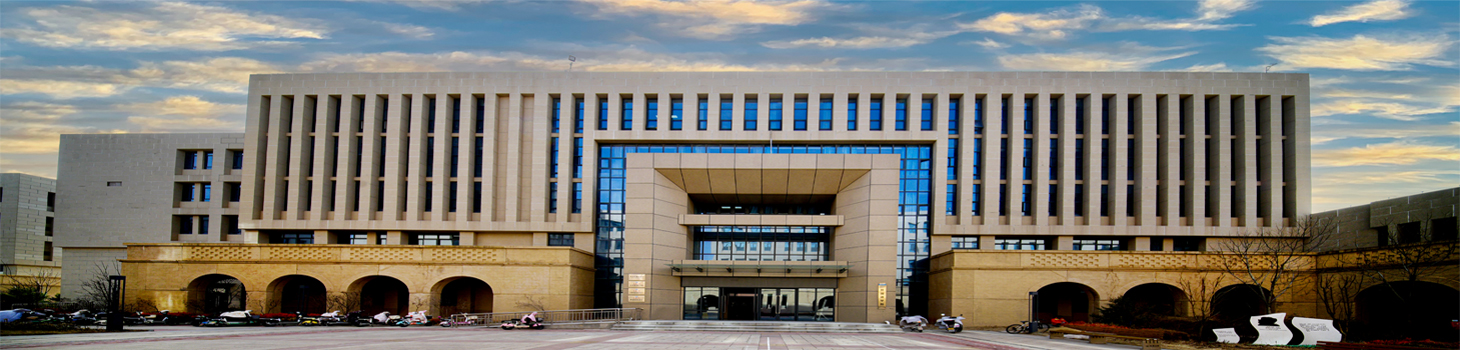
 地 址:中国 陕西 延安市延安大学
 邮 编:716000
 电话:0911-2650707